Majestic Peru Exclusive Retreat 6 Days
Description
Important Notes:
- This is a sample itinerary that can be customized to fit your individual preferences and travel plans. Contact our travel agent to tailor your experience.
- Extension options to other destinations within Peru are available upon request at an additional cost.
- For the best experience, please request a copy of your Peru Information Guide before your trip.
- Local VAT tax (18%) applies only to accommodations and meals at hotels for travelers who stay in Peru for 60 consecutive days or more (residents). Non-resident travelers must present their original passport and Andean Immigration Card at check-in to be exempt from this tax. If these documents are not provided, VAT will be charged and paid directly to the hotel.
| Destination | Distance (km) | Distance (mi) | Length of visits | Tipo de Visita |
| Colonial Lima Downtown | 50 km | 31mi | 3-5 hours | Guided visit |
| Valle Sagrado | 40 km | 25 mi | 6-8 horas | Day full trip |
| Machupicchu | 100 km | 62 | 10-12 horas | Day full trip |
| Cusco – Sacsayhuamán | 3 km | 1.8 mi | 1-2 horas | Guided visit |
| Qorikancha | 1 km | 0.6 mi | 1 hora | Guided visit |
| Mercado de San Pedro | 0.5 km | 0.3 mi | 1 hora | Guided visit |
Day 1 – Lima arrival & Transfer to Hotel
Bienvenido a Perú!
Upon your arrival, our representatives will be waiting to transfer you to your hotel in Lima. After collecting your luggage, look for a sign with your name to get in touch with us.
Explore Lima: Where History Meets Modernity
Lima, the capital of Peru, is a city that masterfully blends tradition with modernity. Founded in 1535, Lima boasts a rich historical heritage, evident in its colonial architecture and monuments, particularly in its historic center, which has been designated a UNESCO World Heritage Site. Beyond its historical charm, districts like Miraflores and Barranco showcase a vibrant cultural scene, renowned for their lively arts, cuisine, and entertainment. With one of the best culinary offerings in the world, Lima invites travelers to explore its fascinating history, rich culture, and exquisite gastronomy.
Day 2 – Visit the City of Kings “Lima
Discover Colonial Lima: A Journey into the Past
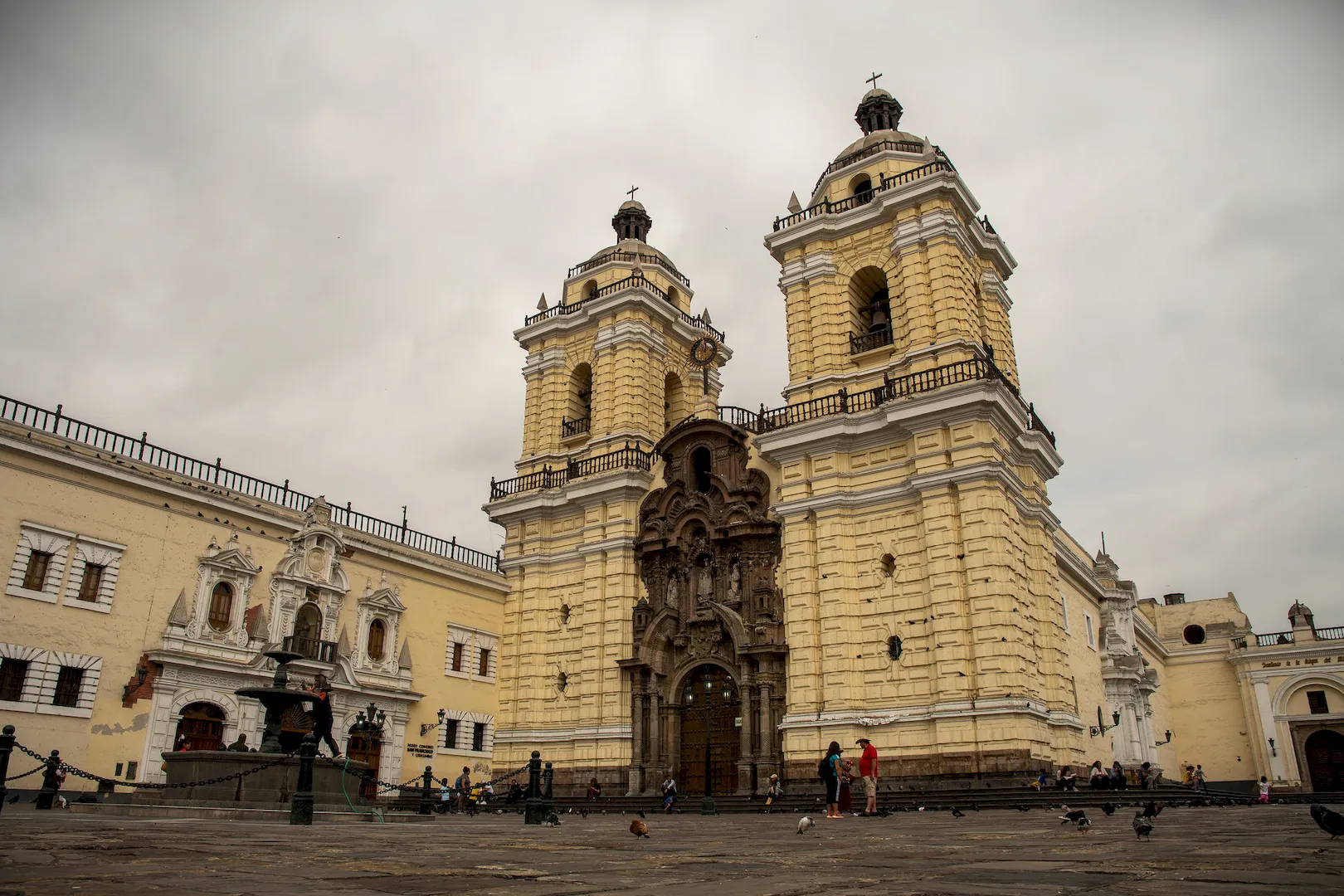
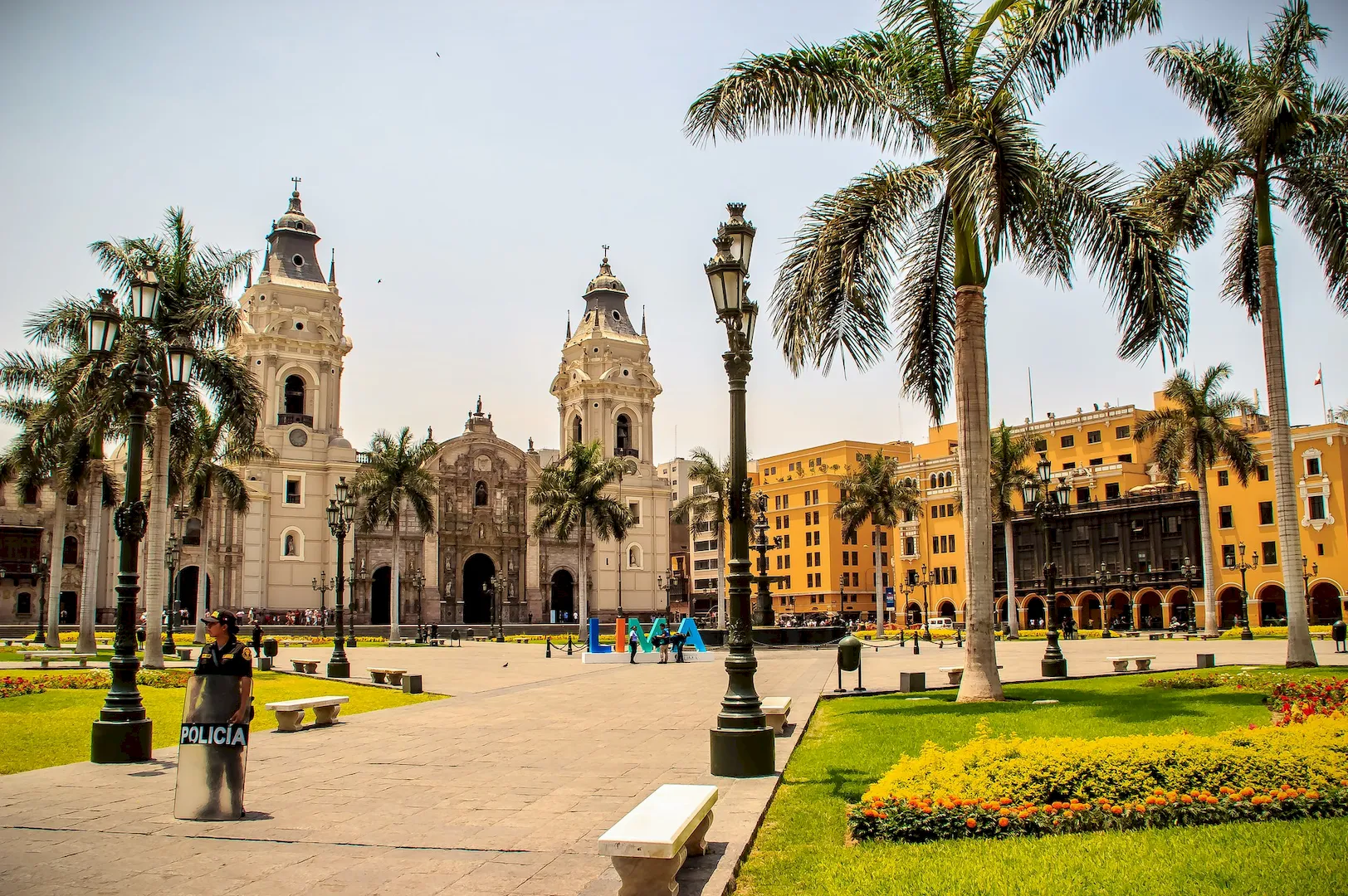
We will pick you up at your hotel and take you to the heart of Lima, the colonial section, where you will visit the majestic main cathedral and the Convent of San Francisco.
Colonial Lima: The Historic Heart of Peru’s Capital
Colonial Lima is a vibrant testament to Peru’s rich Spanish heritage. Founded in 1535 by Francisco Pizarro, this area is renowned for its stunning colonial architecture. Ornate balconies, colorful facades, and grand churches like the Cathedral of Lima and the Monastery of San Francisco are just a few of its attractions. As you stroll through its narrow streets, visitors encounter charming plazas and majestic buildings that transport them back in time. The Plaza Mayor, the original square of the city, is the center of Colonial Lima and a UNESCO World Heritage site. Today, this area blends history with modern life, offering a unique glimpse into Peru’s colonial legacy.
We will pick you up from your hotel and transfer you to downtown Lima, the colonial section, where you will visit the main cathedral and the San Francisco Convent.
The Cathedral of Lima: An Icon of Peruvian Colonial Architecture
Located in the Plaza Mayor, the Cathedral of Lima is an iconic example of Peruvian colonial architecture, built in 1555. Its blend of Renaissance and Baroque styles reflects the deep Spanish influence in the region. Over the centuries, it has witnessed significant historical events, including the proclamation of Peru’s independence. Inside, the cathedral houses valuable works of art and the mausoleum of Francisco Pizarro, the founder of Lima. Declared a UNESCO World Heritage Site, the Cathedral of Lima stands as a symbol of the city’s rich history and religious devotion.
The Convent of San Francisco: A Treasure of Spanish Colonial Architecture
The Convent of San Francisco de Lima is a significant religious complex in Peru that showcases impressive Spanish colonial architecture, symbolizing the city’s strong religious devotion. Founded in 1546, the convent features a stunning Baroque-style church, and its cloister is adorned with beautiful Spanish tiles that decorate the corridors. One of its most notable attractions is the catacombs, an underground network that served as a cemetery during colonial times, offering a glimpse into the city’s funerary history. In addition, the convent houses a valuable collection of religious art, including paintings and sculptures from the Cusco School, as well as an important library that preserves ancient manuscripts. Declared a UNESCO World Heritage Site, the Convent of San Francisco provides visitors with a deep connection to Lima’s history, colonial art, and spirituality. Its importance as a cultural and religious landmark is undeniable.
Lunch at Casa Aliaga: A Living Testament to Lima’s Colonial Heritage
Located in the heart of Lima, Casa Aliaga is one of the oldest and best-preserved colonial buildings in the city. Founded in 1535 by Jerónimo de Aliaga, one of the first Spanish conquistadors and a close ally of Francisco Pizarro, the house has been in the Aliaga family for more than 20 generations. It stands as a symbol of the legacy of Lima’s colonial elite. With architecture that blends Renaissance, Baroque, and Neoclassical elements, Casa Aliaga reflects the wealth and power of the family during the Viceroyalty era. The site is historically significant, having witnessed key moments in the city’s past, and culturally important as a living heritage that bridges the colonial era with modern-day Lima. Today, Casa Aliaga remains a prominent tourist attraction and an example of how the founding families shaped Lima as the “City of the Kings.”
Day 3 – Cusco arrival & Transfer to the Sacred Valley of the Incas
Explore the Sacred Valley of the Incas: A Sacred Connection with the Cosmos
Upon your arrival in the Imperial City of Cusco, you will meet your guide and then head towards the Sacred Valley of the Incas.
The Sacred Valley of the Incas: Fertility and Spiritual Meaning
The Andean civilizations held the Sacred Valley of the Incas in deep reverence, known for its unparalleled fertility and abundance, both in its natural wealth and its spiritual significance. Situated alongside the Wilqaq Mayuq, the Sacred River of the Incas, the valley was a crucial source of sustenance. Its location also maintained a powerful symbolic link between the people and the cosmos. According to Inca belief, the Milky Way, known as Wilkaqmayuc, aligned with the river during the equinox, forming a cosmic axis that embodied their sacred connection with the universe. This profound relationship with the earth and the heavens was central to Inca culture, giving the valley both practical and mystical importance.
Upon your arrival at the Imperial Town of Cusco, you will receive your guide and then drive down to the Sacred Valley of the Incas.
Pisac: A Glimpse into Inca History and Andean Views
Located in Peru’s Sacred Valley, Pisac is a must-visit destination for those drawn to Inca history and stunning Andean vistas. This archaeological site, once a vibrant center of Inca culture, is renowned for its remarkable architecture and historical significance. Named after the “p’isaqa,” a local bird similar to a chicken, it is said that the design of Pisac resembles this creature, honoring an ancient guardian spirit. Divided into neighborhoods with distinct purposes, highlights of Pisac include the Intihuatana, a large stone observatory and solar calendar used to track the agricultural seasons crucial to the Inca way of life. Surrounding the site are ingenious Andean terraces, designed for farming and erosion control, while offering panoramic views of the valley. Traveling from Cusco, visitors pass through the breathtaking Andes, immersing themselves in the heart of Inca heritage.
Discover the Pisac Market: An Encounter with Andean Culture
Step into the heart of Pisac and experience the vibrant colors, rich history, and unique Andean culture at one of the most beloved markets in the Sacred Valley. This bustling market, centuries old, is a meeting point for both locals and visitors, offering an authentic glimpse into traditional Andean life.
As you wander through the maze of stalls, you’ll uncover a treasure trove of handmade textiles, intricate silver jewelry, vibrant ceramics, and carved wooden pieces—all crafted by skilled local artisans. One of the highlights is the traditional Andean weaving, with patterns that tell stories from the region’s ancient past and reflect the deep connection of the people of Pisac to nature. Whether you’re seeking a souvenir or simply wish to soak in the atmosphere, the Pisac market is an unforgettable stop that brings to life the essence of the Andes.
Huayoccari: A Refuge of Art and Culture in the Sacred Valley of the Incas
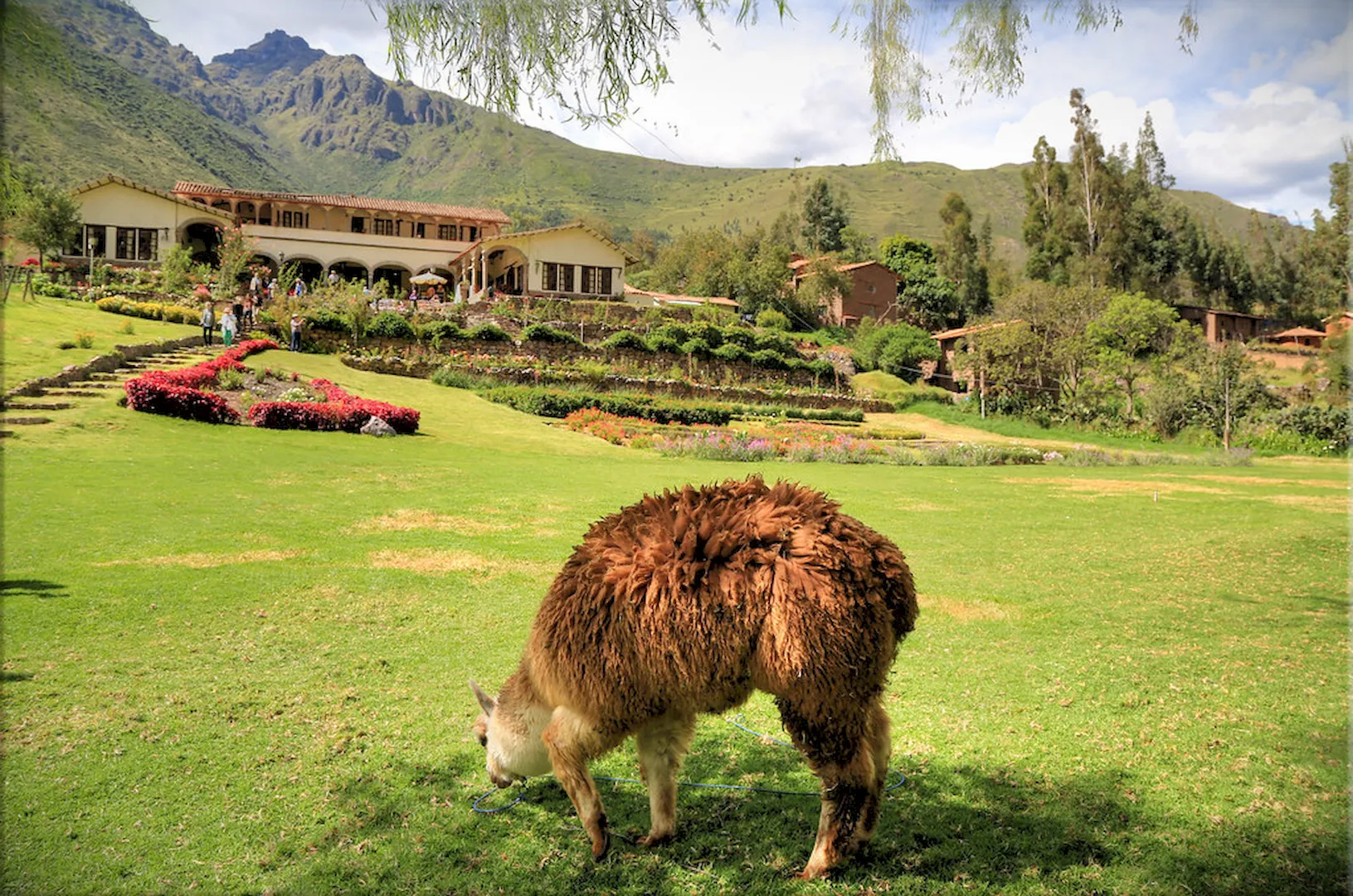
Perched on a hill with sweeping views of the breathtaking Sacred Valley of the Incas, this mansion, built in the mid-20th century, enjoys a privileged location with panoramic vistas of one of the most awe-inspiring landscapes in Peru.
Every corner of Huayoccari whispers stories of the past. Inside, an extraordinary collection of pre-Columbian artifacts takes visitors on a journey through the ancient civilizations that once flourished here: Tiahuanaco, Wari, and Inca, with archaeological pieces that reveal the richness of their cultures. The mansion also displays stunning works from the Cusco School of Colonial Art, including paintings and furniture from the 17th and 18th centuries, evoking the grandeur of a golden age in Peru’s history.
Upon arrival, travelers are greeted by a beautiful courtyard filled with flowers, with orchids adorning the terrace—an invitation to the cultural treasures that lie within. The rooms of the house, adorned with paintings, sculptures, and folk art, captivate the senses, while the large windows frame dazzling views of the surrounding landscape, creating a perfect harmony between art and nature.
Day 4 – Visit Chinchero Maras & Moray
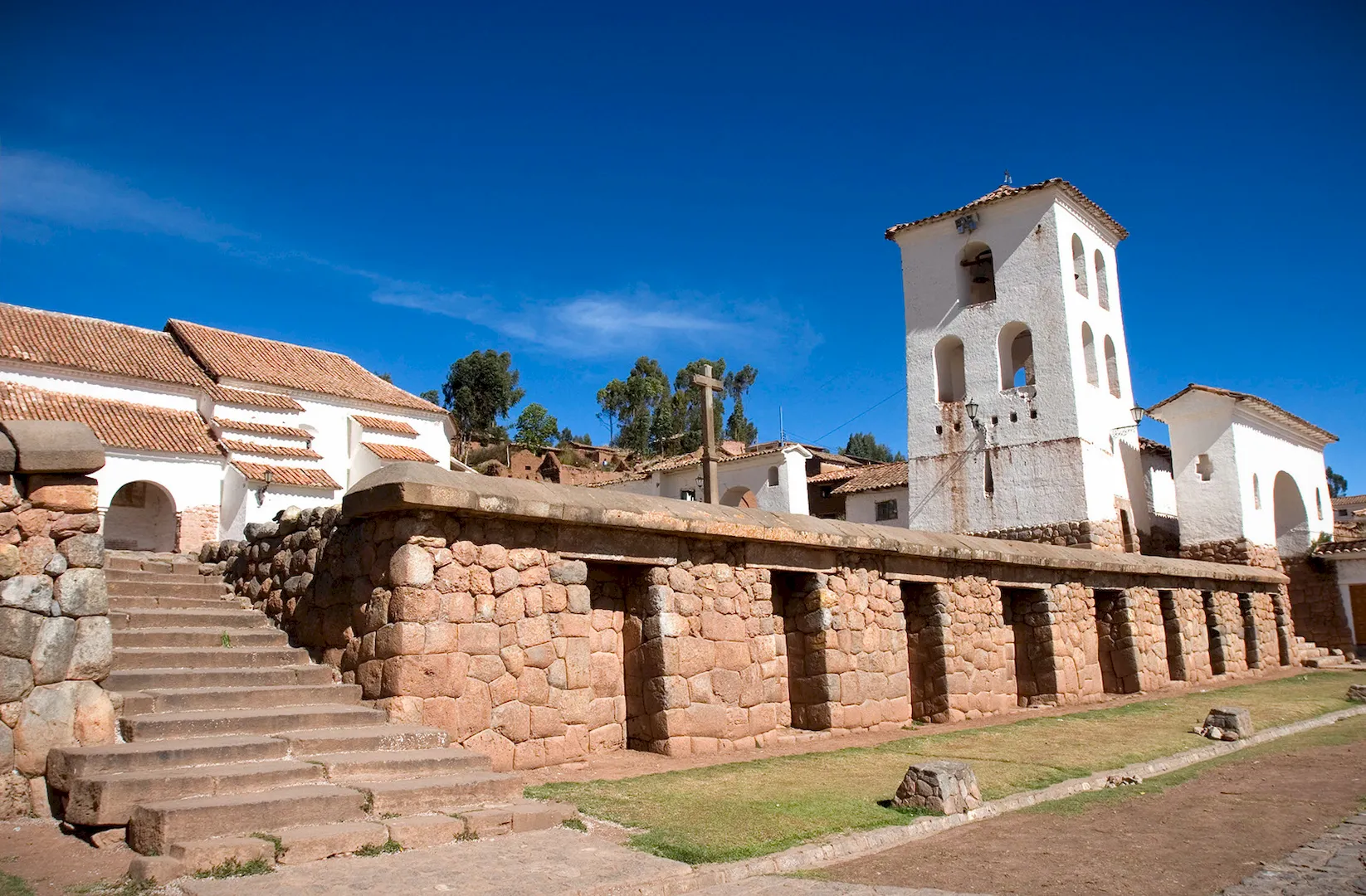
Chinchero: A Cultural Treasure in the Heart of the Andes
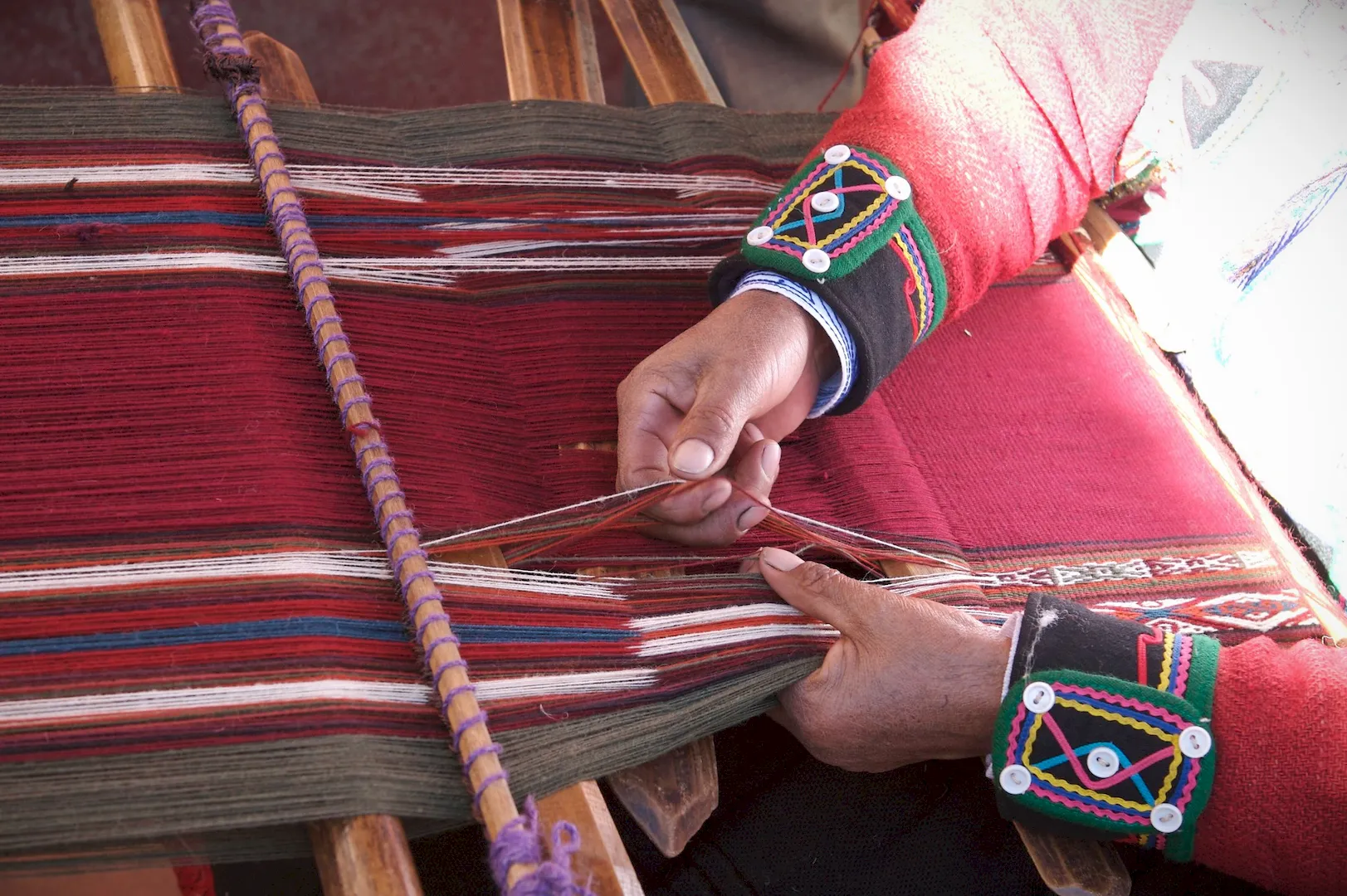
Located high in the Cusco region, Chinchero is a village that captivates visitors with its stunning Andean landscape and deep cultural heritage. Known for preserving ancient weaving techniques, Chinchero is home to skilled artisans who continue the tradition of spinning and dyeing fibers with natural colors extracted from plants, insects, and minerals. These techniques, passed down through generations, are not only an art form but also a way of life that honors the Andean worldview.
The people of Chinchero maintain a close connection with their land and traditions, living in harmony with nature and upholding community values. This village remains a true cultural treasure, offering a window into the heart of Andean heritage.
Moray: An Inca Agricultural Laboratory and Spiritual Center
Moray is an extraordinary archaeological site, famous for its circular terraces arranged in concentric rings and connected by stone stairs. These terraces served as an Inca agricultural laboratory, where ancient farmers experimented with crops and seed selection across various microclimates created by different altitudes. Acting as a “natural greenhouse,” Moray allowed crops to adapt to diverse environmental conditions.
Beyond its agricultural importance, the site also held spiritual significance, functioning as a ceremonial center deeply connected to the Inca worldview. The presence of water sources and channels further emphasizes its role in religious rituals. Today, Moray stands as a remarkable example of how the Incas seamlessly integrated science, spirituality, and architecture.
The Maras Salt Mines: A Surreal Landscape and Ancestral Tradition
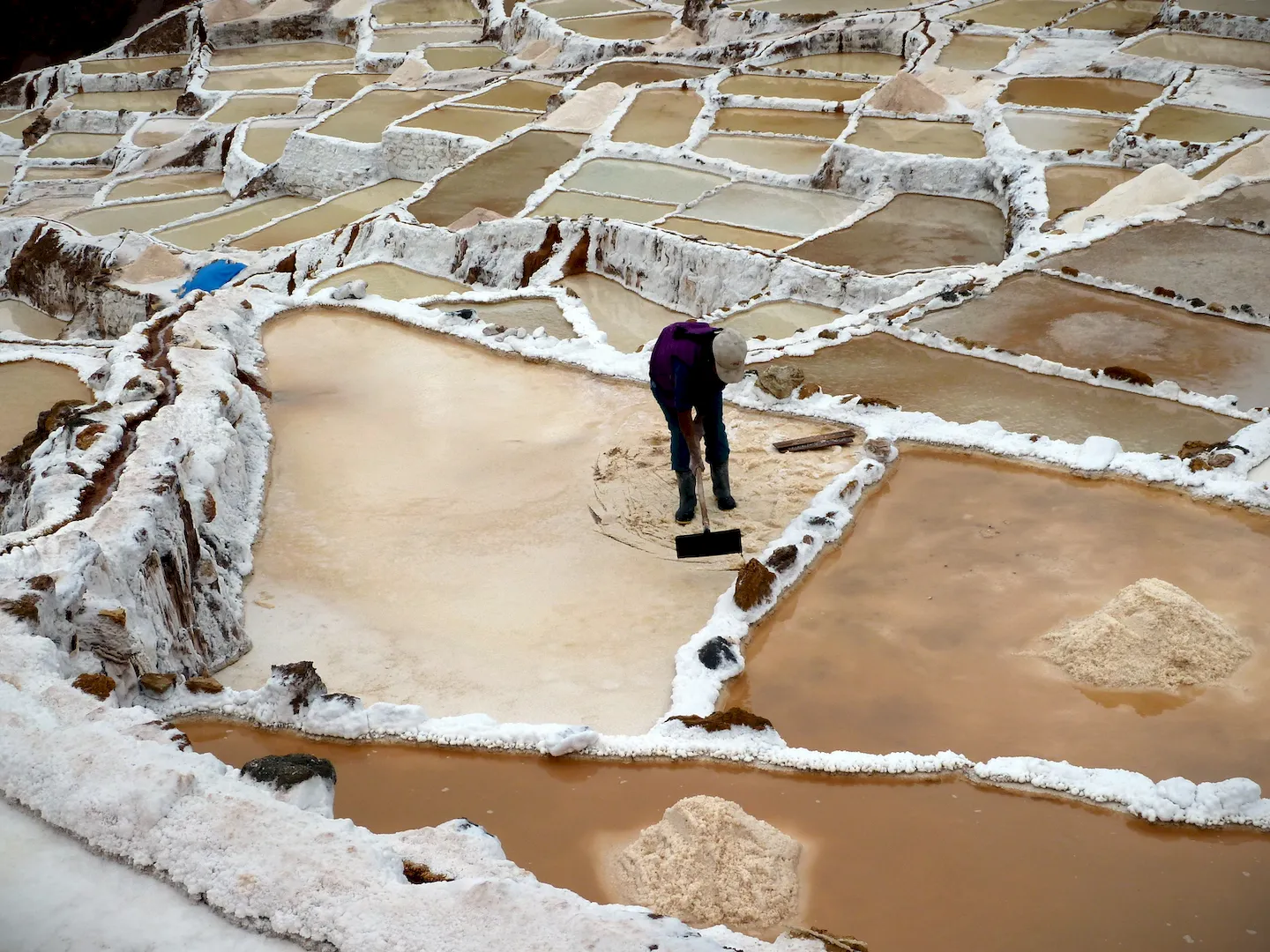
The Maras Salt Mines are an extraordinary spectacle, featuring a system of rectangular ponds that receive salty water from a nearby spring. The water flows through a network of channels into the ponds, where the sun evaporates it, leaving behind layers of crystallized salt. From above, the terraces create an impressive abstract pattern, with the bright white salt contrasting beautifully against the earthy tones of the surrounding valley, forming a surreal and captivating landscape.
This ancient method of salt production has been passed down through generations, managed by local families who continue a traditional inheritance system. The number of ponds managed by each family is based on their size and capacity for salt production. The salt of Maras holds immense economic value for the community and carries deep cultural and ritual significance, having been used since pre-Inca times both for food preservation and religious ceremonies.
Today, these terraces continue to support the local livelihood while attracting thousands of visitors each year, drawn by the beauty of the site and its connection to Andean traditions in the Sacred Valley of the Incas.
Hacienda Tunupa: A Symbol of Agricultural Life and Ancestral Heritage
This historic building has witnessed the evolution of the valley, which was a center of farming and agricultural expansion during the Inca Empire. Today, the hacienda remains a symbol of agricultural life, while preserving the remains of ancient colonial buildings and pre-Inca structures. The name “Tunupa” evokes the mythical god of fertility and agriculture, emphasizing the region’s ancestral connection to the land.
The hacienda not only offers a rich historical experience but also provides the perfect setting to explore the local culture, taste native agricultural products, and enjoy the tranquility that emanates from its natural surroundings.
Day 5 – Machupicchu
Viaje a la Ciudadela Inca: De Ollantaytambo a Aguas Calientes
You will be transferred from the hotel in the Sacred Valley to the Ollantaytambo station, where you will board the train to the village of Aguas Calientes. Upon arrival, you will pass through the traditional market on your way to the bus station, located on the main street of the village. From there, you will ascend a winding, zigzagging path to reach the Inca citadel.
Train Options to Machu Picchu: Choose Your Ideal Journey
1. Vistadome Train – Panoramic Views
- Overview: The Vistadome Train offers an unforgettable scenic experience with large panoramic windows that give you a full view of the stunning landscapes. This option is ideal for travelers who want to stay immersed in nature as they journey to Machu Picchu.
- Highlights:
- Panoramic windows for 360° views of the Andean mountains and rivers.
- Comfortable seating and a relaxed atmosphere.
- Light snacks and beverages included onboard.
- Optional onboard entertainment with traditional Andean music and dance performances.
- Best For: Travelers seeking beautiful views with a focus on comfort and cultural immersion.
2. Observatory Car – Enhanced Views and Ambience (Upgrade Option)
- Overview: For those who want a more elevated experience, the Observatory Car offers an upgrade with an open-air viewing area. This choice lets you take in the fresh air, enjoy unobstructed views, and is perfect for capturing stunning photos.
- Highlights:
- Open-air observatory car for an immersive, panoramic view of the landscape.
- Comfortable lounge seating, ideal for socializing and relaxing.
- Specialized onboard service with complimentary snacks and beverages.
- Exclusive presentations on Peruvian culture and history.
- Best For: Travelers who want an upgraded experience with the freedom of open-air viewing and a touch of cultural insight.
3. Belmond Hiram Bingham – The Luxury Icon
- Overview: The Belmond Hiram Bingham offers an unmatched luxury journey to Machu Picchu, combining refined elegance with a full-service experience. This iconic train features gourmet dining, live music, and an exclusive observatory car, designed to provide a premium travel experience.
- Highlights:
- Luxurious carriages with 1920s-inspired decor.
- Gourmet meals with Peruvian and international flavors, accompanied by select wines.
- Live entertainment featuring traditional Peruvian music.
- Exclusive observatory car with open-air viewing for the best photo opportunities.
- Round-trip includes an afternoon tea at the Belmond Sanctuary Lodge.
- Best For: Those looking for a luxurious, all-inclusive experience with high-end service, gourmet cuisine, and live entertainment.
Tinkuy Restaurant: A Culinary Encounter at Machu Picchu
Tinkuy, which means “encounter” in Quechua, the ancestral language of the Incas, is strategically located right in front of the Machu Picchu citadel, at the Sanctuary Lodge. This restaurant offers a unique dining experience while you enjoy breathtaking views of the Andean landscape.
The menu at Tinkuy highlights traditional Peruvian flavors, crafted with fresh, local ingredients, many of which come from the Machu Picchu region. The culinary offering blends indigenous and innovative techniques, providing an experience that complements the cultural richness of the site.
The atmosphere of the restaurant is welcoming and elegant, perfect for relaxing after exploring the Inca citadel. With its relaxing and sophisticated ambiance, Tinkuy becomes the ideal place to savor Peruvian cuisine in a spectacular natural setting. It is a must-visit for those seeking a comprehensive experience at Machu Picchu.
Machu Picchu: The Jewel of Inca Civilization
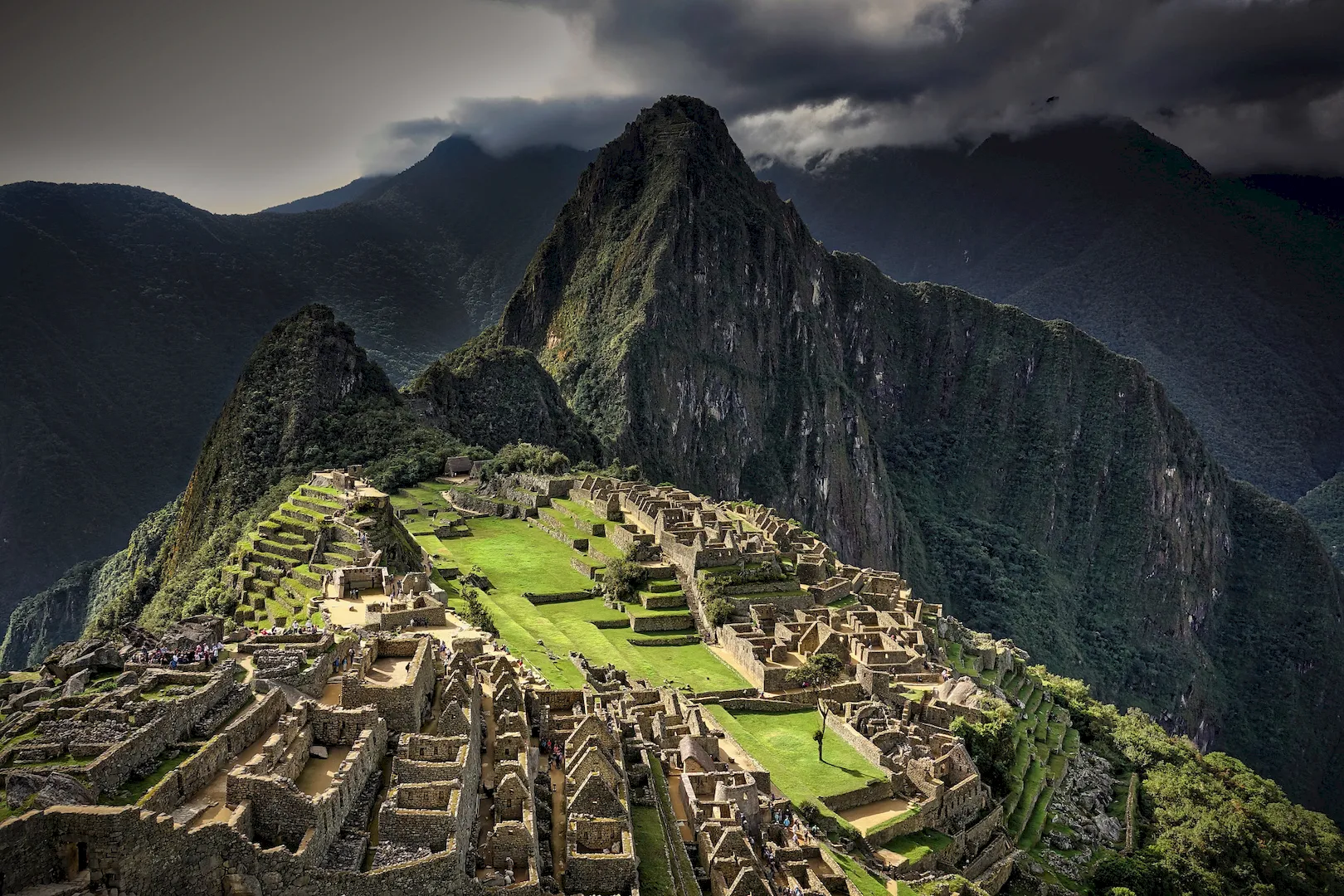
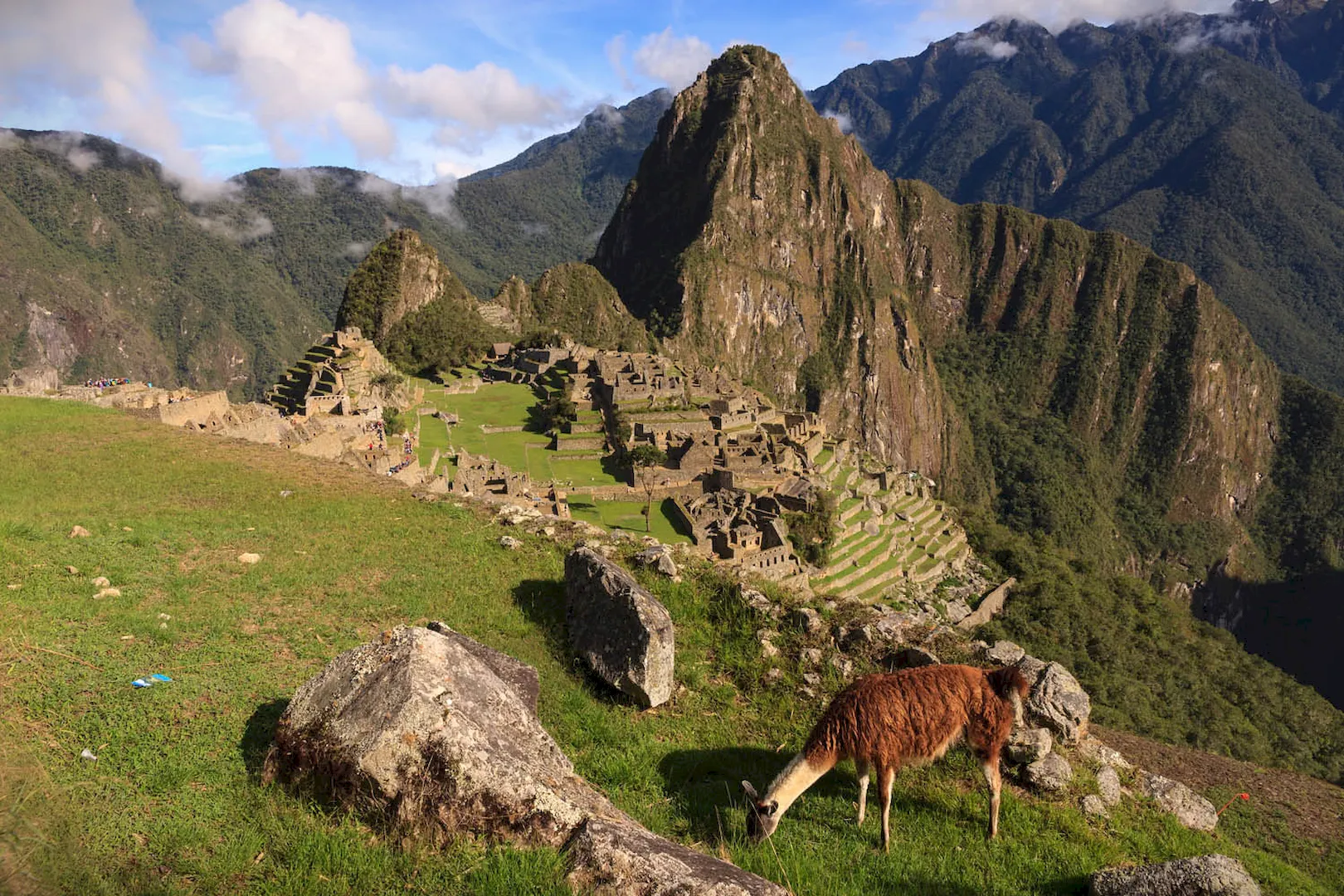
Machu Picchu, the jewel of Inca civilization, is one of the world’s most iconic destinations. Each year, thousands of travelers are captivated by its mystery and beauty. This ancient city was built in the 15th century by Inca Pachacútec in a strategic location between two rocky peaks. From here, visitors can admire stunning views of the Urubamba River valley and the imposing snow-capped mountains that surround it.
The architecture of Machu Picchu, perfectly integrated with the surrounding geography, reveals a deep understanding of engineering and urban planning, adapting to the natural shape of the mountains. The complex consists of more than 200 buildings spread across parallel terraces, organized around a large central plaza oriented from east to west.
The temples, located on the upper part, and the storage areas in the lower zone, are connected by a sophisticated system of water channels that provided irrigation to the agricultural terraces. The precisely carved stone steps allowed access to the different levels of the city, which was divided into residential and ceremonial areas. The eastern part of the city was primarily residential, while the western section, separated by the plaza, was dedicated to religious and ceremonial purposes.
Day 5 – Sacsayhuaman & Qoricancha
Sacsayhuamán: A Masterpiece of Inca Engineering
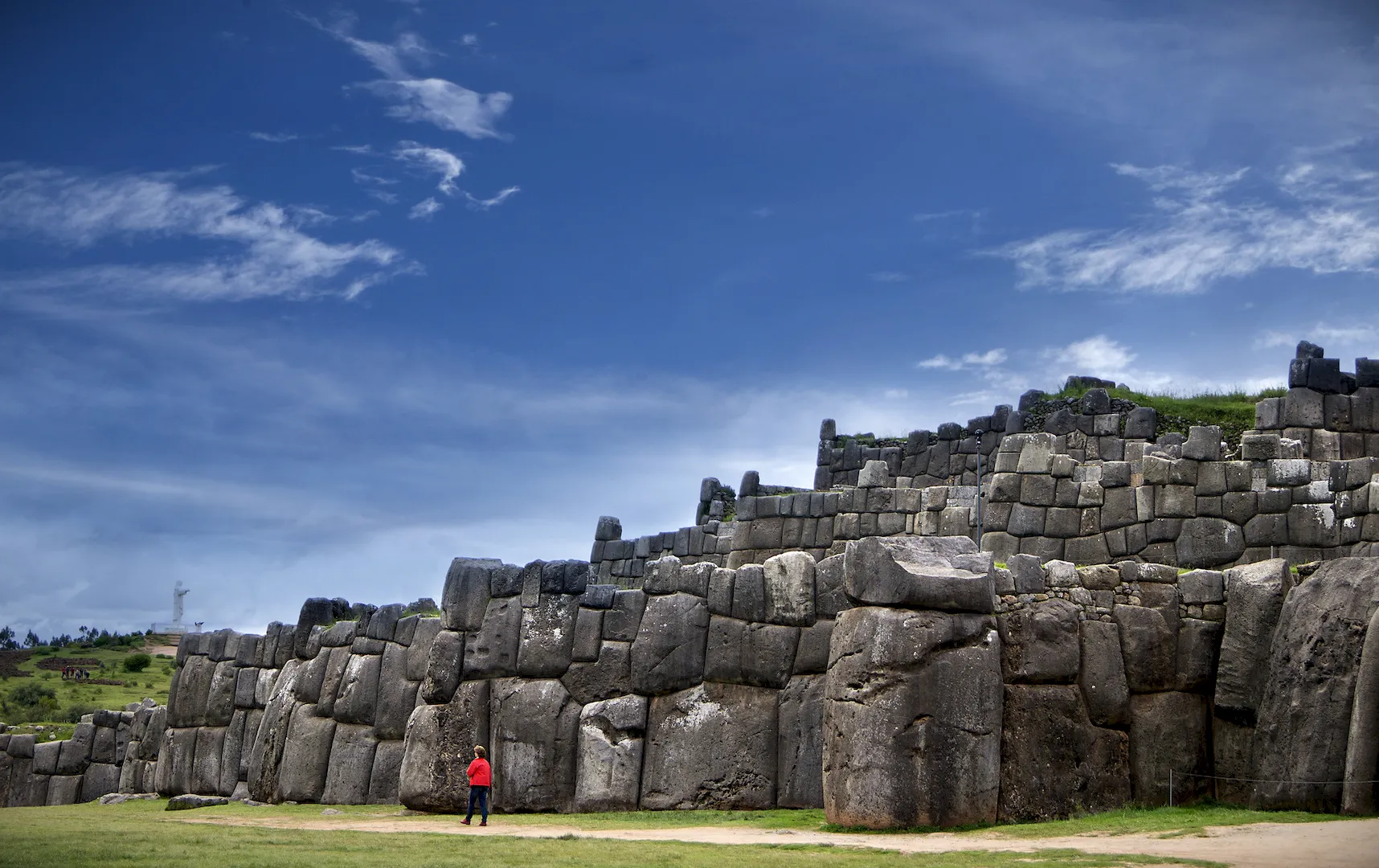
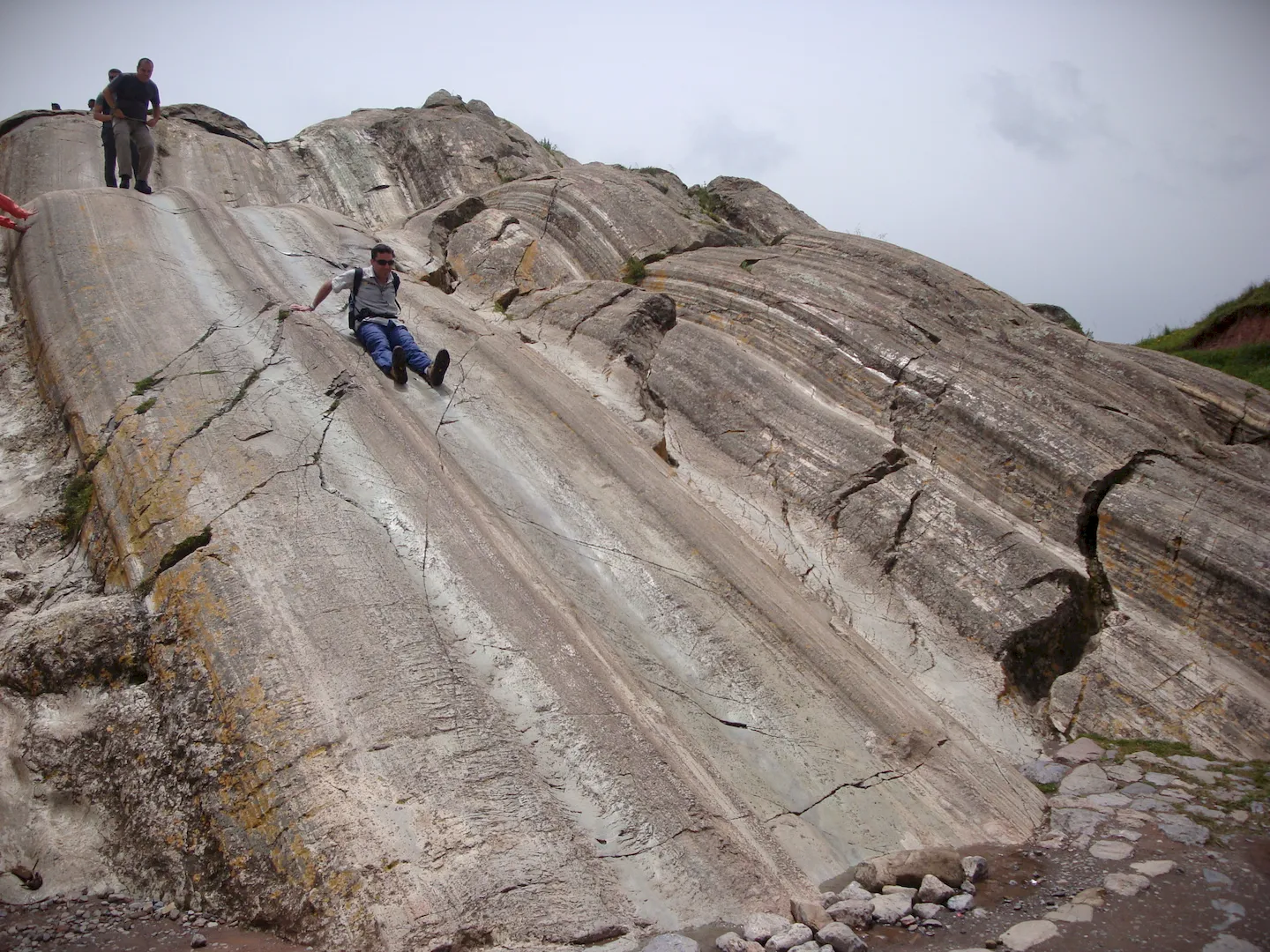
Sacsayhuamán is one of the most impressive archaeological sites in Cusco and a prime example of Inca engineering. Built between the 15th and 16th centuries under the reign of Pachacútec, this ceremonial complex spans a hill and is renowned for its massive stones, some weighing over 160 tons. The structure consists of enormous stone walls, meticulously fitted together without mortar, and includes terraces and plazas that served as a key administrative and religious center dedicated to the Sun.
Sacsayhuamán is connected to the Qorikancha by a water channel, symbolizing the sacred energy shared between the two sites.
The construction reflects the profound Inca worldview, carefully aligned with solar and astronomical movements. As visitors explore the site, they are rewarded with breathtaking panoramic views of Cusco and the surrounding valleys from its highest point.
Museo Sullca: A Journey into Pre-Columbian Textile Art
Museo Sullca offers a fascinating immersion into the textile art of pre-Columbian cultures in Peru, taking visitors on a chronological journey that reveals the deep connection between ancient societies and nature. Through a collection of original pieces, visitors can admire the textiles of cultures such as the Incas, Paracas, Wari, Nazca, and Chancay, gaining insight into how the Andean worldview influenced the creation of these textiles.
The museum not only allows for the exploration of the evolution of these traditions over time, but also provides a unique experience by interacting with South American camelids—llamas, alpacas, and guanacos—animals that were essential to the daily life of ancient civilizations. Visitors can engage with them directly, feed them, and enjoy their calm, friendly presence.
Additionally, the museum offers workshops where visitors can learn about the traditional processes of washing, spinning, and natural dyeing used by the ancient cultures of Peru, providing a direct link to the millennia-old legacy that continues to thrive today.
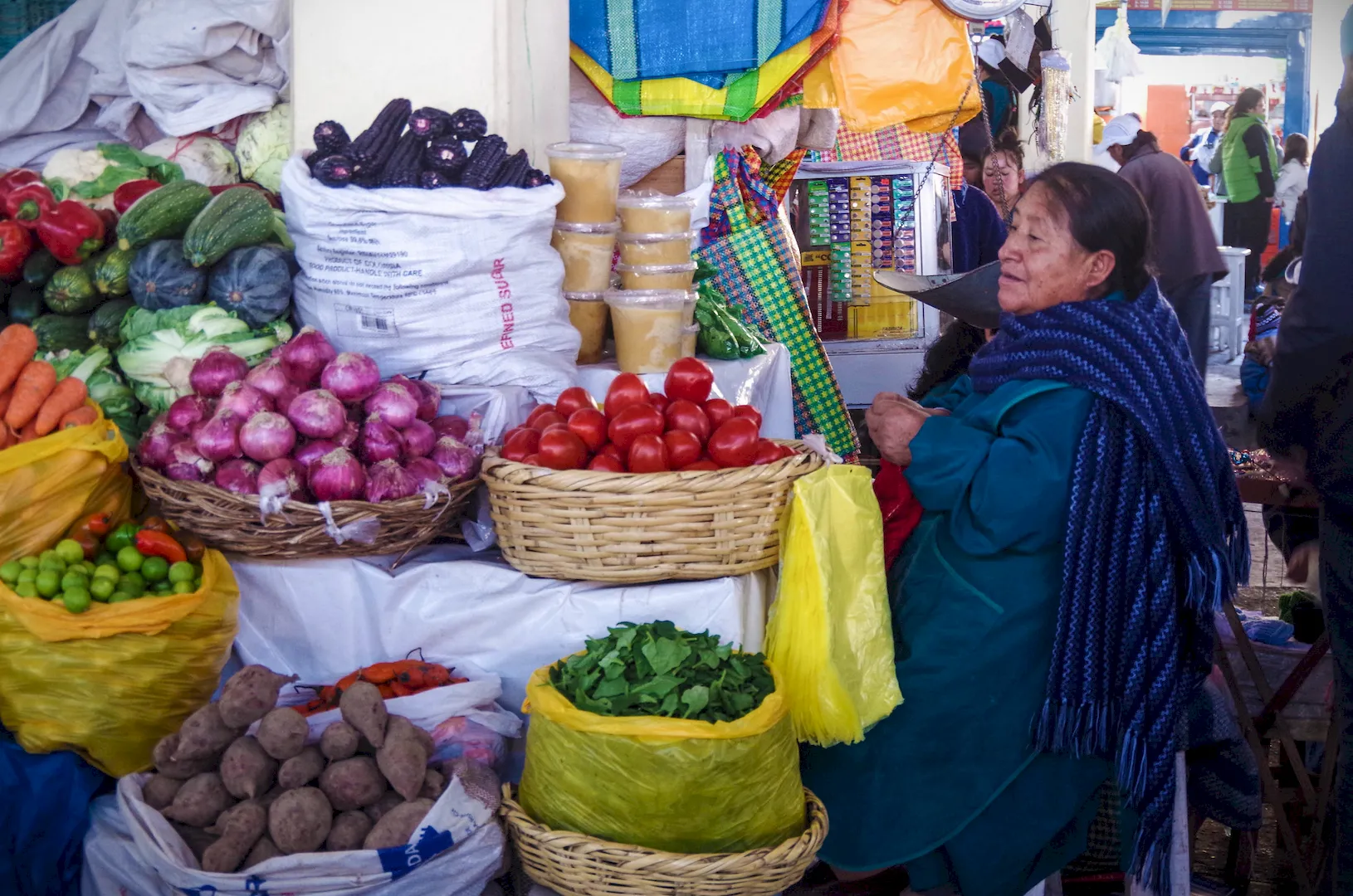
Mercado Central de San Pedro: A Cultural Icon in the Heart of Cusco
The Mercado Central de San Pedro, located in the heart of Cusco, is an iconic place that captures the essence of daily life in the city, blending culture, traditions, and the richness of local gastronomy. Designed in the late 19th century by the renowned engineer Gustave Eiffel, this market has been renovated over the years, maintaining its crucial role as a hub of activity for the people of Cusco.
At San Pedro, visitors will find a wide array of fresh products, ranging from fruits and vegetables to meats, local herbs, and spices. The market is also a vibrant cultural meeting point, where traditional handicrafts, textiles, and ceramics are sold, reflecting the artistic heritage of the region.
Exploring this market is a unique sensory experience: the bright colors, intense aromas, and characteristic sounds create an immersive atmosphere. Here, visitors can discover the Andean worldview through medicinal herbs and rituals that connect with the ancestral culture.
The Mercado Central de San Pedro is a must-visit for anyone wishing to immerse themselves in the traditions and customs of Cusco.
Qorikancha: The Majestic Temple of the Sun of the Incas
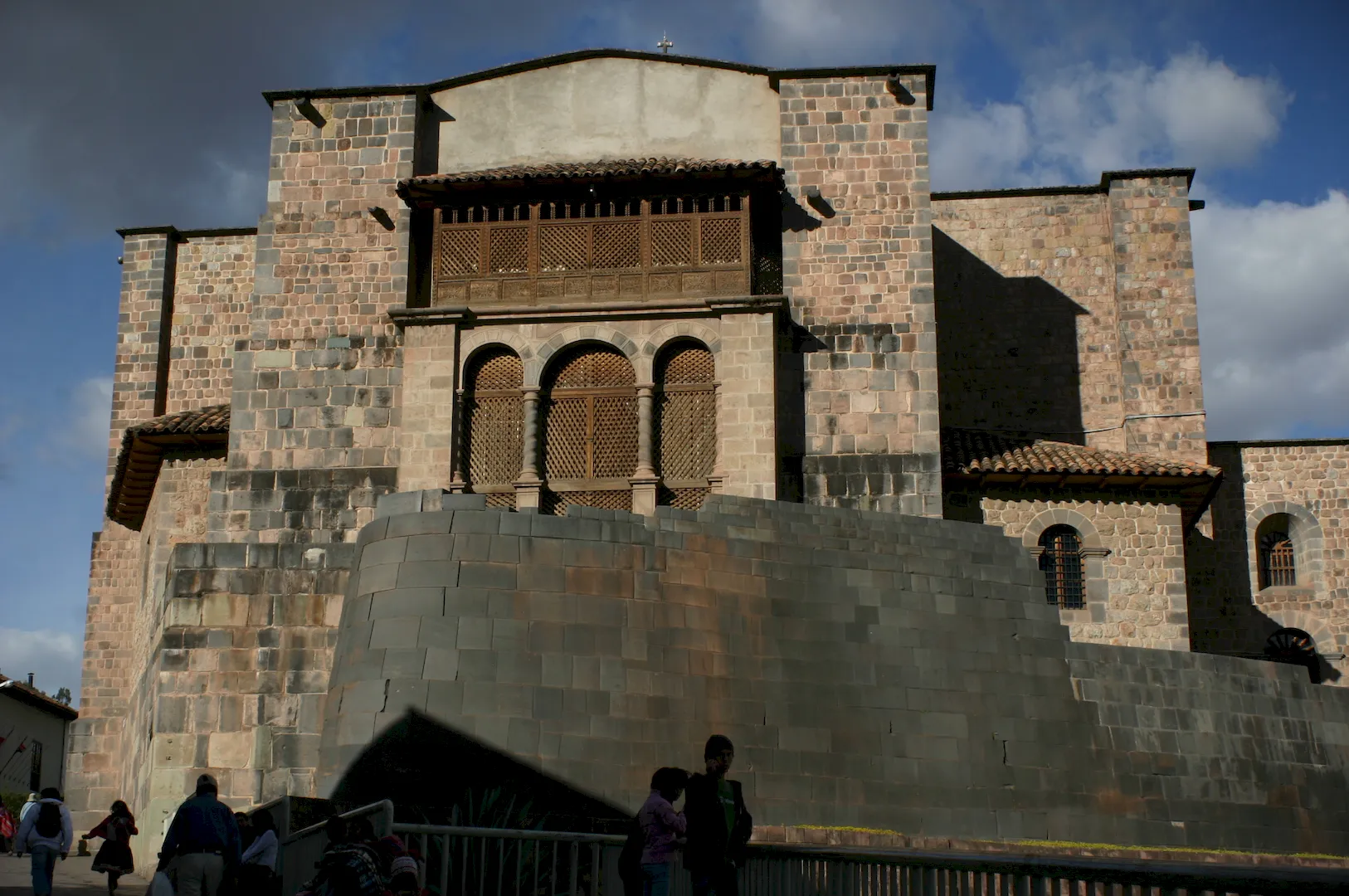
Qorikancha, or the Temple of the Sun, was the most sacred and important religious center of the Inca Empire, considered the axis mundi of the Andean worldview. Located in the Plaza Santo Domingo in Cusco, this temple was dedicated to the sun god Inti and was known as the “Golden Enclosure,” as its walls gleamed with sheets of gold.
In addition to its role as the Temple of the Sun, Qorikancha housed additional temples dedicated to other key deities of the Inca pantheon. However, with the arrival of the Spanish, the temple was destroyed, and upon its foundations, the Church of Santo Domingo was built, preserving only a fraction of its original grandeur.
Qorikancha was not only a religious center but also the focal point of the ceques system, a network of sacred pathways, and a key site for the cultures that predated the Incas. Today, this monument remains essential for those seeking to understand the magnificence and sophistication of Inca civilization.
Pachapapa: Andean Cuisine in the Heart of San Blas, Cusco
Pachapapa is an iconic restaurant in Cusco that blends Andean tradition with a cozy, rustic atmosphere. Located in the picturesque neighborhood of San Blas, this space offers a unique culinary experience, highlighted by its warm setting with fireplaces and traditional decor.
Known for its typical Peruvian dishes, Pachapapa delights diners with specialties such as cuy chactado (fried guinea pig) and lomo saltado (stir-fried beef), all prepared with fresh, local ingredients. But Pachapapa is more than just a restaurant; it is a place where the rich culture and history of Cusco come to life.
Perfect for those seeking an authentic gastronomic experience, Pachapapa invites visitors to immerse themselves in the essence of Cusco’s cuisine, all within an atmosphere that captures the magic of the city.
Included
- Full trip planning and 24/7 support throughout your journey.
- Half Board Program – Meals as indicated:
- 03- course or a la carta
- 02 buffet lunch
- Ground transportation and excursions as outlined in the itinerary, including all admission fees.
- Services of an English-speaking tour guide.
- Train tickets to Machu Picchu. ( Vistadome service)
Not Included
- Hotel accommodations, including room taxes and service charges (breakfast included).
- International or domestic airfare, along with airport taxes.
- Dinner.
- Additional beverages and alcoholic drinks.
- Local hotel taxes (18% VAT applies only to Peruvian nationals and foreign residents. To be exempt, non-residents must present a passport and Andean Immigration Card).
- Personal expenses, such as passport or visa fees, excess baggage, gratuities for guides and drivers, communication charges, laundry, and any services or meals not specifically mentioned.
- Bank fees & comissions
Book Now
Explore the Heart of Peru with Us!
Discover insider tips, travel inspiration, and expert guides on luxury tours to Cusco and beyond. Visit our blog and start planning your unforgettable journey with Tawa Roads today!